This article is part of our Restart Strong Series for Men 40+. See all guides here.
That morning stiffness isn’t just in your head. By age 40, your joints naturally become less flexible, your muscles tighten from years of desk work, and simple movements that once felt effortless now require conscious effort. But here’s the good news: with just 5–7 minutes of daily mobility work, you can reverse much of this stiffness and move with confidence again.
This daily mobility routine is made for men over 40 — it helps you move better, loosen up tight areas, and feel more comfortable in your body. You don’t need to be super flexible or do fancy stretches. The goal is simply to restore the natural movement your body was built for.
Quick Summary (TL;DR)
- 🦴 After 40, cartilage wears down, joint fluid decreases, and muscles tighten — making joints move less smoothly and causing stiffness.
- 🤸 Mobility is different from stretching — it teaches your joints to move through a full range with strength and control, not just to “hold a stretch.”
- ⏱ Just 5–10 minutes of mobility a few times a week can make daily movements — like getting out of bed or reaching overhead — feel easier.
- 💡 Simple moves to try: Cat-Cow (spine), Thread-the-Needle (upper back), 90/90 Hip Flow, Leg Swings, and Wall Slides (shoulders).
- 🔑 The real win is consistency — regular mobility keeps you moving well, feeling younger, and staying active for years.
Why Mobility Becomes Essential After 40: Understanding Your Joints?
After 40, your joints begin to change in ways most men don’t notice—until stiffness, cracking, or pain shows up. Years of sitting, past injuries, or lack of stretching can take their toll.
Your joints undergo specific changes that make mobility work critical for maintaining independence and preventing pain:
Joint Fluid Decline
The lubricating fluid inside your joints (synovial fluid) begins to decrease, reducing cushioning and making movement feel rougher. Think of it like your body’s natural WD-40 running low.
Cartilage Thins
The cushioning tissue between bones becomes thinner and starts to wear away. This can cause inflammation, pain, and conditions like osteoarthritis, which commonly begins in the 40s.
Muscles Tighten
Tendons and ligaments lose elasticity and strength, making joints less flexible and more restricted. This happens especially around the hips, spine, and shoulders. Research shows flexibility drops markedly starting in the 30s and 40s.
Support Systems Weaken
Age-related muscle loss reduces the support muscles provide to joints, potentially increasing joint strain and discomfort.
Postural Imbalances Worsen
Years of sitting, repetitive movements, and old injuries create compensatory movement patterns. Your body adapts by tightening some muscles and weakening others, leading to pain and dysfunction.
Without adequate mobility, everyday tasks become challenging
- Getting out of bed with a stiff back
- Reaching overhead cabinets with tight shoulders
- Playing with your kids or grandkids without joint pain
- Sitting comfortably through a long meeting
Common Problem Areas
- Lower back pain from prolonged sitting
- Shoulder stiffness from desk work and driving
- Hip tightness that affects walking and squatting
- Ankle stiffness that limits balance and athletic movement
Your body is designed to heal and adapt. Regular mobility training—even 5–7 minutes a day—can slow or even reverse many of these changes. You’ll move better, feel stronger, and avoid the kinds of problems that often hold men back.
Daily Mobility vs. Stretching: What’s the Difference?
Many men think stretching and mobility are the same thing. They’re not, and understanding the difference will make your routine far more effective.
Stretching means placing a muscle in a lengthened position and holding it to improve flexibility—like a 30-second hamstring stretch. It helps maintain range of motion and reduce stiffness.
Mobility is your ability to actively move joints through their full range of motion with strength and control. It combines flexibility with muscular strength and coordination.
Key Differences
📱 On mobile: Swipe left/right to see the full table.
| Aspect | Stretching | Mobility |
|---|---|---|
| Focus | Muscle flexibility | Joint movement with control |
| Exercise Type | Static holds | Dynamic, controlled movements |
| Goal | Improve flexibility | Improve movement quality |
| When to Perform | Better after workouts | Better before workouts or daily |
Stretching improves flexibility, while mobility builds strength and control throughout that range — both are essential as you age.
If you’re returning to training after a long break, take it slow and rebuild the basics. Our guide to restarting workouts after 40 can help you get back on track.
Your 5-Minute Daily Mobility Routine (No Equipment Needed)
This routine is specifically designed for men over 40 and targets the three areas that typically cause the most issues with age: the spine, hips, and shoulders.
It improves flexibility, strengthens the muscles that support your joints, and helps undo the damage caused by years of sitting or inactivity. Each movement flows into the next, making it easy to remember and stick with daily.
Daily Mobility Routine Overview
📱 On mobile: Swipe left/right to see the full table.
| Exercise | Target Area | Reps/Time |
|---|---|---|
| Cat-Cow | Spine | 6-8 slow cycles (≈1 min) |
| Thread-the-Needle | Thoracic spine | 3 breaths on each side (≈1 min) |
| 90/90 Hip Flow (Dynamic Mobility) | Hips | 5-10 reps (≈1 min) |
| Leg Swings | Hip flexors/hamstrings | 10 reps each direction/leg (≈1 min) |
| Wall Slides (Shoulder Mobility) | Shoulders | 8-10 reps (≈1 min) |
Exercise Instructions
1. Cat-Cow Stretch (Spine)
- Start on hands and knees, with wrists under shoulders, knees under hips
- Inhale as you arch your back, lifting your head and tailbone (Cow)
- Exhale as you round your spine, tucking your chin and pelvis (Cat)
- Move slowly, focusing on each part of your spine.
- Why it works: Gently mobilizes the entire spine and activates your core stabilizers
2. Thread-the-Needle (Upper Back Twist)
- Begin in the same hands-and-knees position
- Reach your right arm out to the side, then sweep it under your left arm
- Lower your right shoulder toward the floor until you feel a stretch through your upper back
- Hold for 2-3 breaths, then return to start and switch sides
- Why it works: Improves mid-back (thoracic) rotation while keeping your lower back stable
3. 90/90 Hip Flow (Dynamic Mobility)
- Sit on the floor with one leg in front and one behind, both bent at 90 degrees
- Keep your chest upright
- Rotate both legs together to the opposite side, landing in the same 90/90 position
- Try not to use your hands — move slowly and with control
- Repeat for 5–10 reps
- Why it works: Builds hip mobility and coordination through active movement, not just passive stretch
Personally, I’ve started doing the 90/90 hip flow more often — it’s simple, and over time I’ve noticed my hips feel a bit looser and more comfortable throughout the day.
4. Leg Swings
- Stand tall, holding a wall or chair for support
- Swing one leg forward and backward, keeping it controlled (10 reps).
- Then swing that same leg side-to-side across your body (10 reps).
- Switch legs and repeat.
- Why it works: Dynamically activates your hips — a great warm-up for walking or stairs.
5. Wall Slides (Shoulder Mobility)
- Stand with your back against a wall, feet 6-8 inches away
- Raise your arms into a “goalpost” position (elbows bent at 90 degrees)
- Slowly slide your arms upward, maintaining contact with the wall
- Slide back down with control
- Why it works: Improves overhead shoulder mobility and corrects rounded posture
Can’t do wall slides yet? If it’s too difficult to keep contact with the wall, start with standing arm swings to loosen up the shoulders, then come back to this exercise later.
Practical Tips for Success
Sequence Matters
Start with your spine (Cat-Cow) to relax your nervous system, then progress outward to your hips and shoulders. This flow helps unlock stiffness progressively.
Breathe Through It
Deep, controlled breathing enhances each movement and helps you stay relaxed. Don’t rush or hold your breath.
Pain vs. Discomfort
Mild stretch or tension is normal. But sharp, stabbing, or lingering pain? That’s your cue to stop and reduce the range.
Progress Gently
Once the routine feels smooth, add a second round if you like. Gentle consistency beats intensity — especially after 40.
Learn From the Right Sources
Video demos can be helpful—but only if you’re learning from trusted experts like certified trainers or physical therapists. Poor instruction = poor form = potential injury.
Check With a Pro If Needed
If you’re dealing with chronic joint pain or past injuries, talk to a professional before starting—even if the routine feels “easy.”
Next Step: Ready to go beyond mobility? Try our Joint-Friendly Strength Routine for Men 40+ next.
How to Stay Consistent Without Getting Bored
The best mobility routine is the one you’ll actually do.
Here’s how to make it stick.
Habit Stacking
Pair your mobility work with an existing daily habit. Do it right after brushing your teeth, before your morning coffee, or while watching the morning news.
Set Reminders
Use phone alarms or calendar alerts to prompt your daily session until it becomes automatic.
Track Your Progress
Keep a simple log or take weekly photos to notice improvements in your range of motion. Small wins build momentum.
Be Flexible
If you miss a day, don’t abandon the routine. Just restart the next day without guilt.
Start Smaller
If 5 minutes feels overwhelming, start with just 2-3 exercises. Building the habit matters more than perfect execution.
Use Dead Time
Travel day? Do wall slides in your hotel room. Watching TV? Perfect time for hip flows on the floor.
Ready to build strength after restoring mobility?
👉 Download our Beginner Gym Program – free PDF. Built for men 40+ with safe progressions and recovery time in mind.
Frequently Asked Questions
Do I need to warm up before mobility training?
For gentle mobility work like this routine, no separate warm-up is needed. The movements themselves serve as a warm-up. However, if you’re doing more intense mobility exercises or combining them with strength training, a brief 2-3 minute walk or light movement is advisable.
Can mobility replace stretching entirely?
Mobility work is more functional than traditional stretching, but both have their place. This daily routine provides the movement quality you need for daily activities. Add static stretching after workouts for additional flexibility benefits.
How long before I feel a difference?
Most men notice reduced morning stiffness within 1–2 weeks of consistent practice. Significant improvements in range of motion and overall movement quality usually appear over 4–8 weeks. The key is consistency—daily practice beats perfect execution. Many guys are surprised by how much looser and more mobile they feel in just 10 days.
Should I do this before or after workouts?
This routine works well as a pre-workout warm-up or as a standalone daily practice. If you’re strength training, do the mobility work first to prepare your joints, then add static stretching after your workout for recovery.
Is yoga the same as mobility training?
Yoga can improve mobility, but it’s not the same as targeted mobility training. Yoga integrates physical, mental, and spiritual elements with an emphasis on static postures. Mobility exercises are more focused on joint-specific, dynamic movements for functional improvement. Both can complement each other well.
Do I need special equipment?
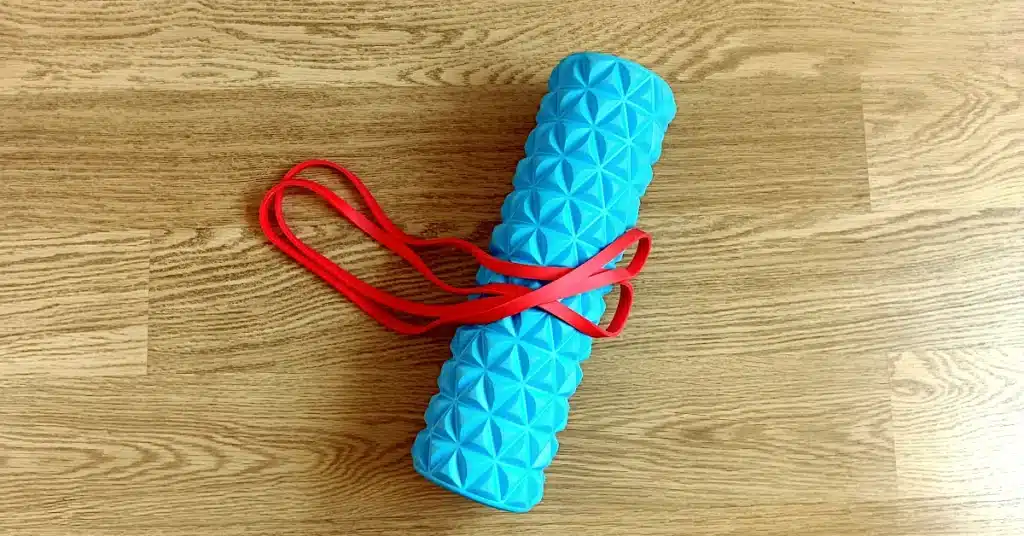
No equipment is necessary for this routine. All exercises use just your body weight and can be done in a small space at home. As you progress, tools like resistance bands or foam rollers can add variety.
If you’re just starting to train and feel confused by all the questions, check out this guide to fitness habits after 40 that slow progress—and how to fix them.
Your Next Steps
Stiff joints and morning aches aren’t inevitable parts of aging. They’re signals that your body needs movement, and this 5-minute routine gives you exactly what you need to start feeling better.
Begin tomorrow morning with just the Cat-Cow and Wall Slides. Once those feel natural, add the other movements one at a time. Remember: consistency beats perfection, and small daily actions create lasting change.
Your body has a remarkable ability to heal and adapt at any age. Give it the movement it’s asking for, and you’ll be surprised how quickly it responds.
References
View sources (5)
- Burden of Major Musculoskeletal Conditions.
https://pubmed.ncbi.nlm.nih.gov/14710506/ - Interventions to Maintain Mobility: What Works?
https://pmc.ncbi.nlm.nih.gov/articles/PMC3633644/ - Program to Improve Mobility in Aging (PRIMA) Study: Methods and Rationale of a Task-Oriented Motor Learning Exercise Program.
https://pmc.ncbi.nlm.nih.gov/articles/PMC6945812/ - The Importance of Stretching.
https://www.health.harvard.edu/staying-healthy/the-importance-of-stretching - 5-Move Mobility Routine Everyone Over 40 Should Be Doing.
https://www.healthline.com/health/improving-mobility-in-old-age#the-routine